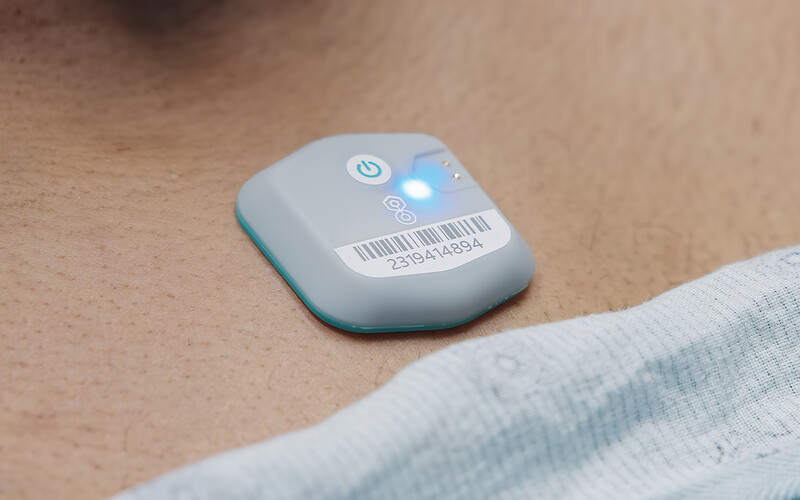






“Designing a new hospital created opportunities to embed reliability, security and scalability into the building itself, making Cypress a template for future hospital projects rather than a retrofit constrained by legacy systems,” says Jim Francis, CTO and vice president of IT and shared services at Houston Methodist.
The result is a hospital that not only supports today’s most advanced healthcare technology but also will adapt as new solutions transform the industry. Instead of testing solutions at other sites and then deploying them at the Cypress location, Houston Methodist has flipped that dynamic, treating it as an innovation lab where new projects are validated before they’re rolled out across the eight-hospital network.
“The clinicians and staff at Cypress have a level of ‘yes’ to technology that is amazing,” Schwartz says. “When we’re trialing something new, they get so excited. They’ll say, ‘We go first. We’re the innovation environment.’”
Reducing Friction With IT at Houston Methodist’s Cypress Hospital
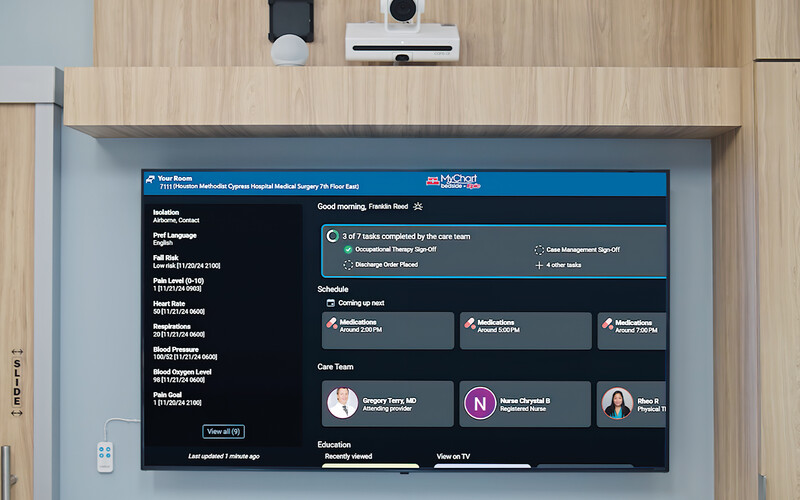
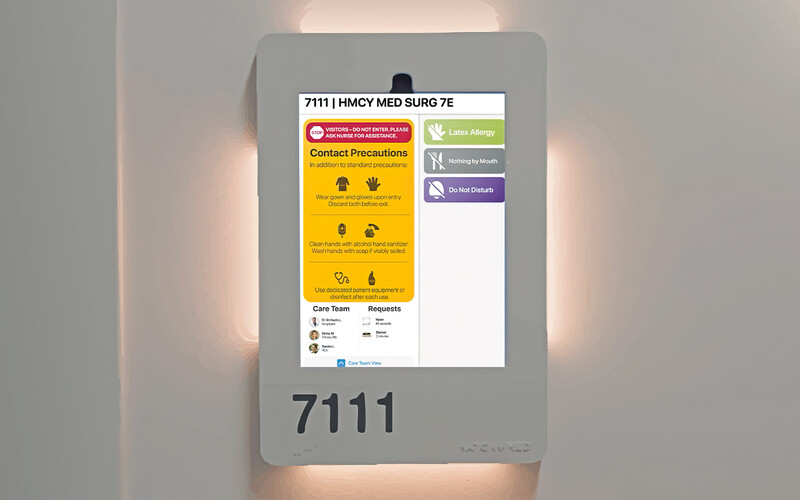
When visitors, clinicians and staff enter a patient room, the first thing they see is digital signage that provides basic patient information and instructions instead of a whiteboard or a folder full of laminated placards. The digital signage, like many of the hardware solutions at Houston Methodist Cypress, integrates with the hospital’s Epic electronic health records system, ensuring that clinicians always have access to the latest patient updates.
Inside the room, a patient might be on a video call with family or a specialist at another site, enabled by a 65-inch TV and virtual care cameras from Care.ai. Because these peripherals were included in the hospital’s design, Houston Methodist could outfit each patient room with standardized technology, unlike other campuses, where some rooms have smaller screens or lack cameras.
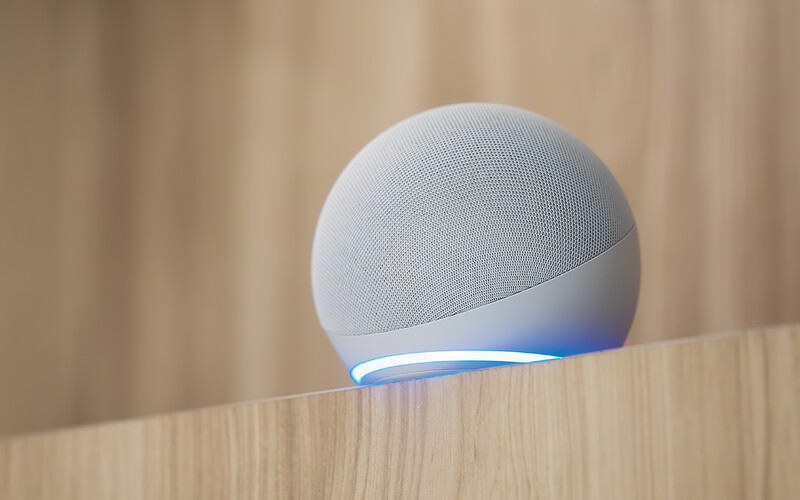
Patients use their Alexas not only to control their room temperature and lighting but also to call for assistance. When working with patients, clinicians use new Ergotron medical carts, as well as Lenovo and Apple endpoints. Nurses carry Apple iPhones equipped with a secure messaging app that allows them to communicate about patient care without violating privacy regulations.
READ MORE: The connected care continuum enhances patient care across settings.
All of this technology is supported by a highly available, segmented Cisco network designed to support a large number of connected devices and advanced virtual care technologies, with clear separation between clinical systems, Internet of Things and patient devices, telemedicine and guest traffic. Houston Methodist IT leaders are currently evaluating the most promising use cases for the hospital’s private 5G network.
“The hospital leverages secure enterprise infrastructure and cloud environments to support its extensive application ecosystem,” Francis says. “Because this was a new facility, we were able to design the network from the ground up, treating it like critical infrastructure rather than an add-on.”