






UMass Memorial Health’s Improved Connected Response
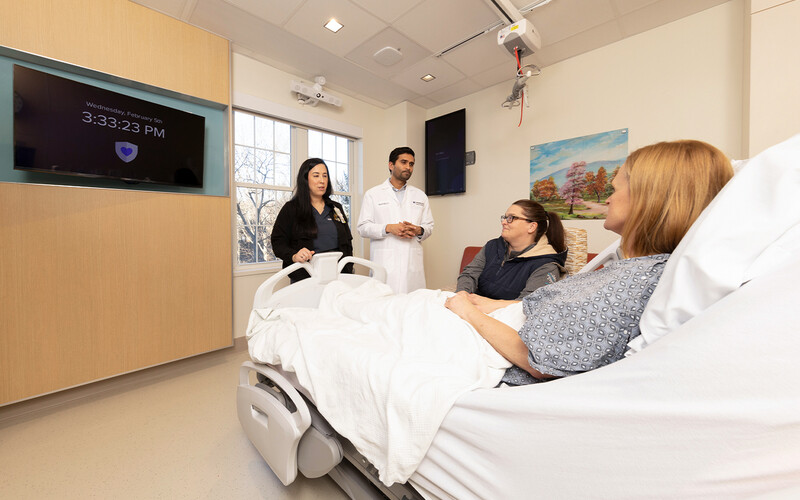
UMass Memorial Health has made major investments in digital health initiatives in the past several years, including a brand-new, 20,000-square-foot hub to centralize virtual care within the system. Another flagship facility for the health system, the North Pavillion, opened in 2025 and has 72 patient rooms, all outfitted with smart-room technologies.
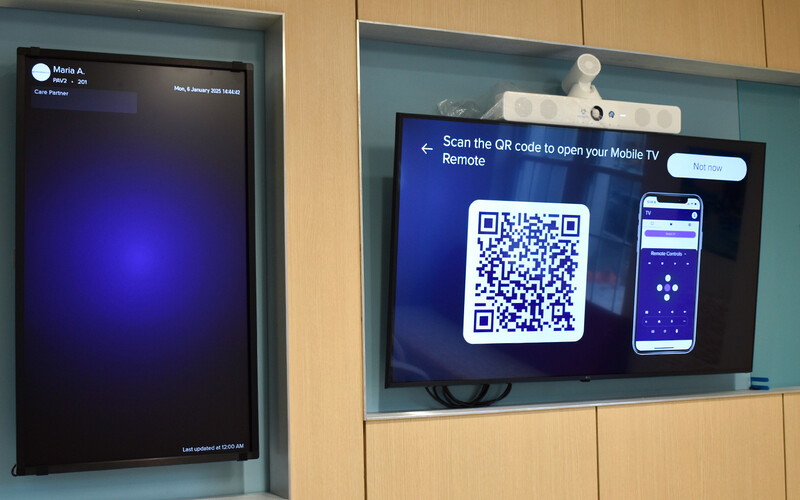
“In addition to a digital door display, there are two more inside the room,” says Erica Smith, chief nursing informatics officer and associate vice president of clinical informatics at the five-hospital system in Worcester, Mass. “One is a digital whiteboard and the other is an interactive TV that the patient can control from a smartphone or from the bed. Through the TV, the patient can take part in virtual consults, listen to music, or join interactive mindfulness or education sessions.”
Together, the three displays ensure that care teams “have the right information at the right time, supporting safer and more personalized patient care,” Smith adds. “We have a great nursing team. We have a great physician team. The technology is now a piece of that, and now they have a better ability to coordinate care.”
READ MORE: Evolve from strained resources to the Quadruple Aim of Care with expert guidance.
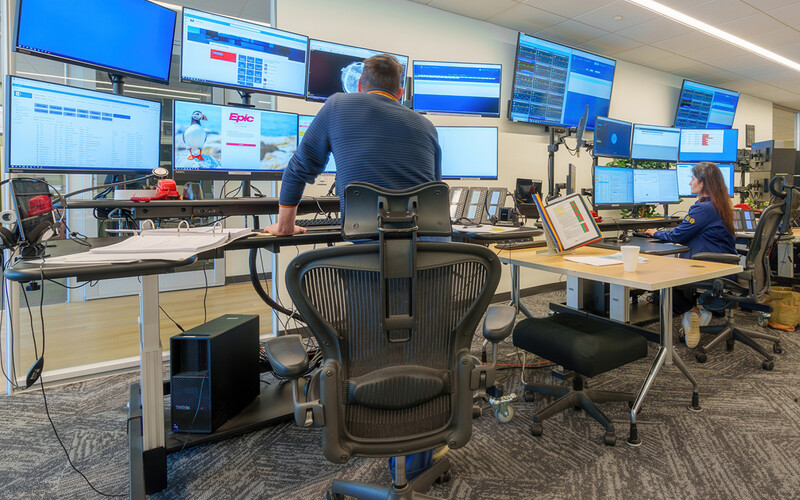
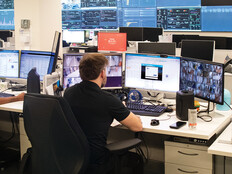
The interoperable Caregility platform connects the room to the EHR and different areas of the campus, with a camera mounted above each TV used for remote appointments and real-time video monitoring, which is centralized in a building called the Digital Hub.
“The team in the Digital Hub can move the camera, zoom in and out, and speak to the patient directly. They can even focus in on an IV bag and read the label if needed,” Smith says.
She works closely with Dr. Eric Alper, senior vice president, system chief quality officer and chief clinical informatics officer at UMass Memorial Health. Alper is trained in internal medicine and has been a practicing hospitalist for the past 25 years.
“Since early in my career, I’ve been interested in technology and the ways it can improve the quality of care we provide to patients, as well as improve the experience for our clinicians,” he says.
Alper offers a possible scenario that a care team member might experience: “Let’s say it’s 2 a.m., and a patient starts to deteriorate. A nurse can press a button in the patient’s room and connect with team members from the Digital Hub right away, including an internist, a pharmacist and whoever else is necessary in the moment to make sure the patient has the best possible outcome.”