HEALTHTECH: What was the process like to scale the initiative across locations?
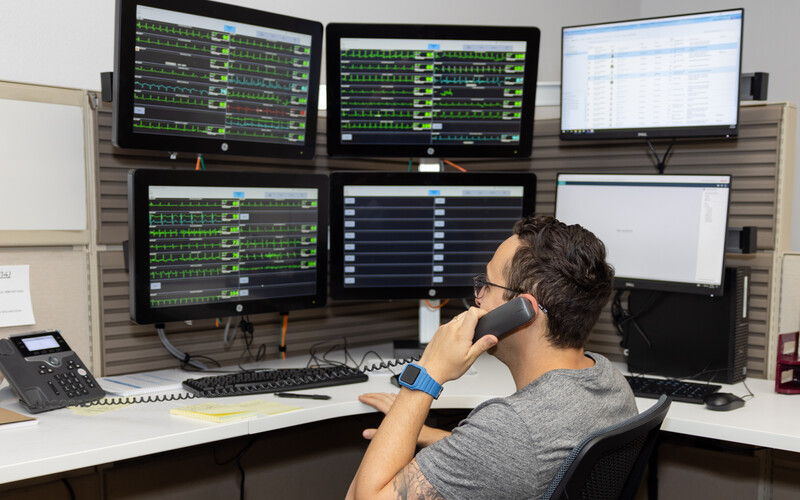
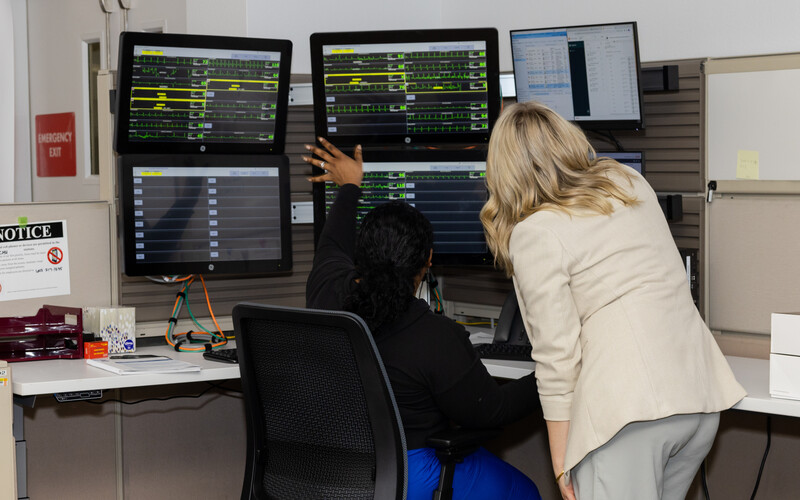
DALY: It started with virtual companion services in different locations of our system. Patients could be monitored from a virtual room where a virtual companion could intervene to reduce the risk of falls. It started as a pilot in one department, where we proved the workflow. Then we created a standardized playbook for the technology deployment to scale it.
At first, we thought the Wi-Fi or the monitors were going to be a challenge for us, but it was actually about ensuring that clinicians felt they had ownership at the site and that the technology was solving something for them. We did routine pulse checks with clinical leadership at each of those locations, and we customized the implementation without losing the core integrity of the program.
HEALTHTECH: What are some of the lessons learned and challenges overcome during the initiative so far?
DALY: We are clinically led and technology enabled at CommonSpirit, so technology for us is an enabler. It’s not a replacement for human touch. Early on, we had a problem with alert fatigue. We wanted to make sure that we weren’t pinging the nurse every minute for a minor variance. We had to recalibrate our AI to filter out the noise so the team was only focused on actionable clinical data.
We also learned that virtual care required a different communication style. We trained our staff to build rapport through a screen, which is a little bit different than in person. You had to figure out how to be part of the care team while also having the patient feel like you were in the room with them. We learned to make sure that not only are the staff comfortable with those patient interactions but also that the patient’s experience is positive and focused on what matters: the outcome.
LEARN MORE: What are smart hospitals and how do they improve care?
HEALTHTECH: What are some of Care Base’s outcomes, and how do you measure them?
DALY: We measure a few different outcomes, including clinical, operational and financial. We track length of stay, readmission rates and patient-provider satisfaction. We’ve also had a significant reduction in unnecessary transfers that have a tangible decrease in the time to intervention for our patients who might be deteriorating. If the patient can stay at home safely, that’s our ultimate goal.
Care Base also provides after-hours support and triage. Those patients were able to call us, and we were able to intervene. We track every touchpoint that we provide, whether it’s through our communication specialists who deploy emergency response teams or our virtual companion monitoring a patient for safety or cardiac concerns.
We’re able to provide alarm data and the outcomes of those incidents so we can be more efficient using Care Base compared with a traditional model of care. This is because we can onboard teams the same way and have the same outcomes. We measure all the services we provide. So, they either have a care outcome measurement and know they’re preventing an adverse event, or they have a financial outcome, a readmission outcome or a reduced length of stay.
HEALTHTECH: How did you prepare clinicians and patients for Care Base?
DALY: We believe that transparency was key for this because we didn’t just hold training sessions, we created virtual shadowing, to give opportunities for both staff and patients to experience what a virtual hospital would look like and feel like in action.
For the patients, we developed simplified education materials that we could give them in advance, especially if we cared for them in the hospital before we provided care for them at home. Those materials included videos and FAQs, so they knew exactly what to expect.
It’s important for patients and their families to feel comfortable with the technology. We emphasize to patients that they’re never alone at home. They’re always going to be supported by us with a specialized team that has eyes on them 24/7. That is a big piece: patients understanding that our team is there to help them.