






Rutgers School of Nursing Will Teach the New Workflows
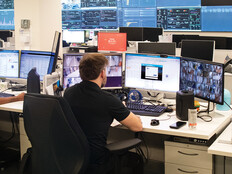
Virtual nursing can support bedside teams remotely to identify fall risks, recognize patient deterioration and alert onsite staff when an intervention is needed. Newer applications can also support mentoring and provide guidance to less experienced nurses.
“It’s a tool that should be looked at as something nurses can depend on for supplementing their care, adding additional layers of safety and quality,” Starkweather says.
Nursing students must learn more than how to operate cameras and software because virtual workflows require clear communication with remote colleagues and an understanding of when and how to escalate a concern, she adds.
Nurses must also explain monitoring technology to patients and families who may be uncomfortable with cameras or other sensors in the room.
“Nurses are grounded in that patient relationship. Being able to help the patient understand the technology is important,” Starkweather says.
Training must therefore address privacy, confidentiality and ethics alongside technical troubleshooting. Students should also become familiar with the platform they use so they can identify a malfunction, work with remote teams and continue providing care safely when hiccups occur.
READ MORE: Mayo Clinic ‘supercharging’ its nursing teams with technology.
Students Receive Practical Simulation Training
Caregility is providing Rutgers with seven wall-mounted systems equipped with high-zoom cameras, microphones, speakers, infrared lighting and video monitors, supported by clinical applications, software and technical training.
Simulation training allows students to practice virtual nursing workflows without putting patients at risk. A student could assess a wound, show it remotely to a caregiver and explain how to manage it after discharge, Starkweather says.
“Simulation labs are an avenue for our learners to be in a safe space and use the tactile skills they need for nursing care before the clinical setting,” she adds.
The exercises can also recreate escalation and technology failures that may be difficult to predict during classroom instruction.
Virtual Nursing Readiness Must Be Measured
Rutgers plans to evaluate students during simulations, provide feedback and allow them to repeat scenarios until they can demonstrate the required competencies.
Though confidence using virtual care tools is one measure, Starkweather says, healthcare organizations should connect training with clinical results.
Relevant metrics include falls prevented, early interventions when patients begin to deteriorate, patient satisfaction and the ability to coordinate care across different locations — measures that indicate whether virtual nursing is improving safety and quality.
“We are gearing up the program to use those metrics and improve care every single day as they’re going forward,” Starkweather says.