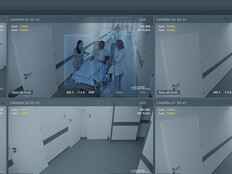






SOCs also monitor physical security, relying on IP cameras, badge readers and access control systems. However, health systems, facilities or operation teams could own the cameras, depending on the organization, Taule says.
The cameras sit outside the realm of a CISO, Hughes notes, and that lack of ownership can be problematic.
“When a camera's firmware gets exploited as a pivot point into the clinical network, the SOC finds out after the fact, if at all,” Hughes says.
Security alerts can be interpreted as noise, but becoming desensitized to threats is dangerous to patient health. Excessive alerts could also bring exposure to compliance violations such as a HIPAA breach.
“Regulators are not sympathetic to ‘We had too many alerts,’” Hughes says.
Why Healthcare SOCs Are Susceptible to Alert Fatigue
Unchecked alert fatigue can bring a missed threat as well as analyst attrition. With SOC talent difficult to recruit in healthcare, security professionals leave and take their institutional knowledge with them, Hughes says.
Alert fatigue is a problem in health systems because they have added tools after the fact for decades, according to Hughes.
“The real problem is architectural,” Hughes says. “Most healthcare SOCs were built by layering tools reactively over years. Each tool was procured to address a specific gap and wasn’t designed to work with the others.”
Alert fatigue is a structural problem in SOCs because they have leaner security teams compared with the rest of their personnel, Hughes notes. That means trouble due to the number of endpoints.
“A community hospital with 2,000 endpoints and few analysts is going to drown,” Hughes says.
To fix this structural program, healthcare orgs must consolidate data sources, build context into correlation of data and establish clear triage logic, he advises.