






RSA Plus ID Offers Plenty of Authentication Options
In my testing, one of the first things that stood out was the breadth of authentication options. ID Plus supports FIDO2 and passkeys, mobile push notifications, biometrics, one-time passwords, QR codes, hardware tokens and third-party authenticators. That flexibility matters in healthcare because not every user works the same way. A clinician moving between care areas may have very different access needs from a billing employee at a workstation or an administrator connecting remotely.
Password-free authentication can also reduce the risks associated with traditional credentials. Instead of relying on a password that can be phished, reused or shared, organizations can use stronger methods such as FIDO2 credentials or biometrics. In evaluating the platform, the ability to offer several authentication methods without forcing every user into one workflow seemed especially valuable.
Adaptive Access Adds Context to Authentication
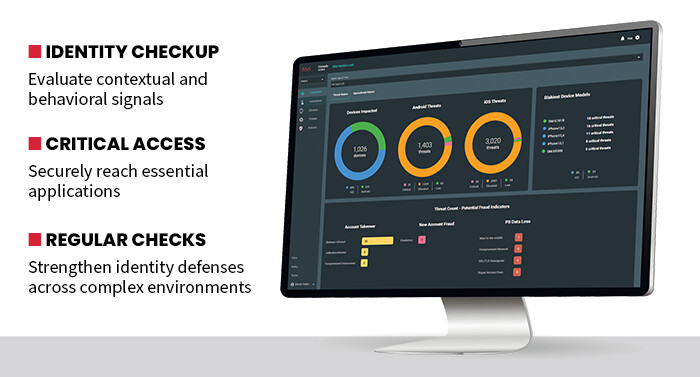
Strong authentication is important, but not every login carries the same level of risk. RSA ID Plus can apply contextual and adaptive access controls that consider the circumstances surrounding an authentication request.
RSA Risk AI expands on that approach by assessing behavioral characteristics and other contextual signals to determine risk in real time. That can help an organization distinguish between a routine login and one that may require additional scrutiny. RSA Mobile Lock can also incorporate the security state of both managed and personal devices into authentication decisions.
In testing, this layered approach made more sense than treating every authentication request identically. Healthcare environments are highly dynamic, with employees moving among departments, facilities and devices. The ability to strengthen authentication when risk increases while keeping routine access relatively streamlined can help balance security with usability.
Single sign-on adds another layer of convenience. Users can access authorized applications through a centralized experience rather than maintaining separate credentials for every system. For healthcare IT teams, that can reduce password fatigue while giving administrators a more consistent way to control access.